



















































































$1000 Casino Jackpot: What Happens Next?

Winning $1,000 at a casino might not sound life-changing, but for many people it equals a week or even a month of everyday expenses. For example, in some cities, $1,000 can cover rent or several utility bills. That’s why even a “small” win like this feels exciting. Studies on gambling behavior show that even modest wins trigger strong dopamine responses, which explains why your heart races and everything feels more intense the moment you win.
Right after winning, most people face a key decision: stop or keep playing. Data from gambling studies suggests that a large percentage of players continue betting after a win, often giving back 30% to 70% of their winnings within the same session. For example, someone who wins $1,000 might keep playing and walk away with only $400. A safer approach many experienced players use is to set a rule, such as keeping $800 and only risking $200 for further play.
Taxes can also be part of the picture, depending on where you are. In the United States, for instance, casinos typically issue tax forms for certain winnings, especially if they exceed specific thresholds like $1,200 on slot machines. However, in places like Hong Kong, gambling winnings are generally not taxed, meaning if you win $1,000, you keep the full amount. This difference shows how location can directly affect your real take-home winnings.
Another important factor is how winning changes your mindset. Research in behavioral economics calls this the “house money effect,” where people treat winnings differently than their own savings. For example, someone might hesitate to spend $200 from their paycheck but feel comfortable betting that same amount from casino winnings. This often leads to riskier decisions, even though the money has the same value in reality.
People also tend to use their winnings in different ways. Some treat it practically, such as paying off a $900 credit card bill or covering groceries for a month. Others spend it on experiences, like a $300 dinner or a short weekend trip. There are also players who reinvest the money into more gambling, hoping to turn $1,000 into $2,000, even though the odds statistically favor the casino over time.
In the end, $1,000 is a meaningful amount, but its real impact depends on what you do next. If you leave the casino immediately, you walk away with a clear profit. If you keep playing, that $1,000 becomes part of a longer gambling session where outcomes can quickly change. For example, data shows that consistent play over time almost always leads to losses, which is why casinos remain profitable businesses.
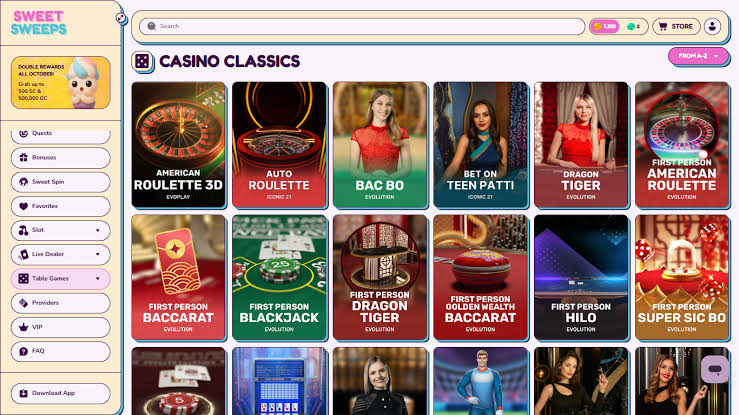
Sweet Sweeps Casino Guide Login, Social Casino & Promo Code
This site only collects related articles. Viewing the original, please copy and open the following link:$1000 Casino Jackpot: What Happens Next?